Having Data Isn’t the Same as Having Insight
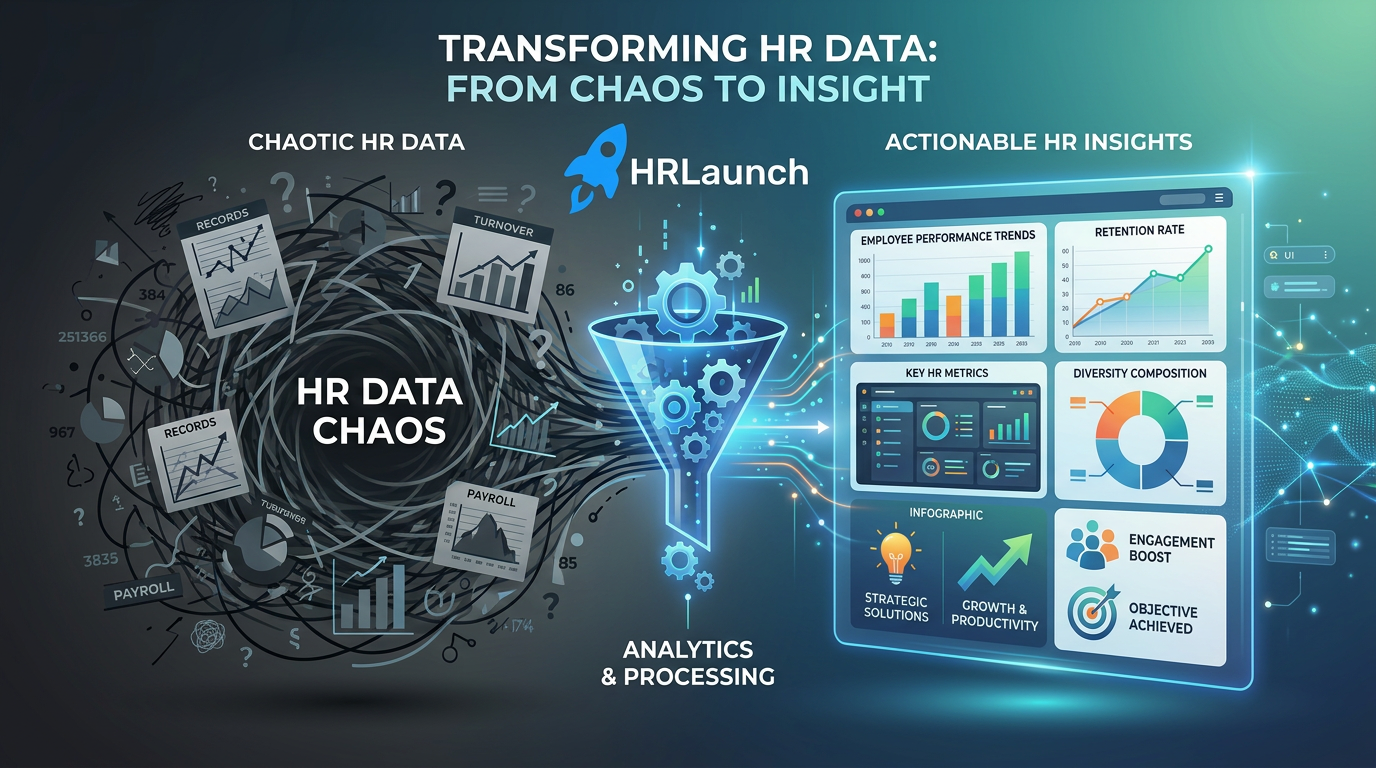
Most organizations today have access to HR data.
They have systems.
They have reports.
They have dashboards.
But when it comes to actually using that data to make decisions, many companies struggle.
The issue is not access.
It is usability.
The Illusion of “We Have Reporting”
It’s common to hear:
“We can pull that report.”
“Our system tracks that.”
But when leadership asks for answers, the reality often looks different:
- reports don’t match across systems
- data needs to be cleaned before it can be used
- numbers change depending on who pulls them
At that point, reporting becomes reactive instead of reliable.
What Broken HR Data Actually Looks Like
When HR data is not structured correctly, the issues show up in very specific ways.
Conflicting Headcount Reports
Different systems—or even different reports within the same system—show different headcount numbers.
This happens when:
- employee status is not consistently tracked
- data is stored in multiple places
- updates are not applied uniformly
Turnover Metrics That Don’t Add Up
Turnover is one of the most commonly tracked metrics.
But in many organizations:
- voluntary vs involuntary turnover is not clearly defined
- termination reasons are inconsistent
- reporting filters vary
This leads to metrics that cannot be trusted.
Compensation Data That Lacks Clarity
Compensation reporting often becomes fragmented.
Examples include:
- salary data stored separately from bonus data
- inconsistent job titles tied to pay ranges
- lack of standardized compensation structures
This makes it difficult to analyze pay equity or make informed compensation decisions.
Hiring Data That Isn’t Actionable
Hiring metrics are often incomplete or inconsistent.
This includes:
- time-to-fill calculated differently across roles
- missing data on candidate stages
- inconsistent tracking of offer acceptance
Without structure, hiring data cannot support decision-making.
Why HR Data Breaks Down
These issues are rarely caused by the system itself.
They are caused by how the system is used.
Inconsistent Data Entry
When different people enter data in different ways, consistency is lost.
Examples:
- varying job titles for similar roles
- inconsistent use of fields
- missing required information
Fragmented Systems
Data is often spread across:
- HRIS platforms
- payroll systems
- spreadsheets
- recruiting tools
Without alignment, reporting becomes difficult.
Lack of Defined Metrics
Many organizations track data without defining:
- what the metric means
- how it is calculated
- which data sources are used
This leads to inconsistent reporting.
Poor System Configuration
Even strong HR systems require proper setup.
Without configuration:
- key fields may not be required
- workflows may not capture necessary data
- reporting structures may not align with business needs
According to research from PwC, organizations often struggle to extract value from HR technology due to gaps in data structure and system alignment.
Source
PwC Workforce of the Future - https://www.pwc.com/us/en/services/consulting/workforce-of-the-future.html
The Real Cost of Bad HR Data
When HR data is unreliable, the impact extends beyond reporting.
Organizations may experience:
- poor hiring decisions
- misaligned compensation strategies
- lack of visibility into workforce trends
- increased reliance on manual work
- delayed decision-making
Data should support decisions—not slow them down.
What Good HR Data Looks Like
Well-structured HR data has a few key characteristics.
It is:
- consistent across the organization
- centralized in a single source of truth
- clearly defined and standardized
- aligned with business processes
- easy to report on without manual cleanup
When these elements are in place, data becomes actionable.
If This Is Happening in Your Business, Your Data Is Broken
These are common indicators that HR data is not structured correctly:
- reports differ depending on who runs them
- data must be cleaned before it can be used
- multiple systems contain overlapping information
- key metrics are defined differently across teams
- leadership does not trust the numbers
If several of these are true, the issue is not reporting.
It is structure.
How to Fix HR Data Issues
Improving HR data does not require starting over.
It requires alignment.
Standardize Data Inputs
Define how key data should be entered and ensure consistency across the organization.
Centralize Systems
Reduce fragmentation by establishing a primary system of record.
Define Metrics Clearly
Ensure all key metrics have:
- clear definitions
- consistent calculation methods
- aligned data sources
Configure Systems Properly
Set up systems to:
- require necessary data fields
- support structured workflows
- align with reporting needs
Establish Ownership
Assign responsibility for:
- data quality
- system management
- ongoing reporting
How HRLaunch Technology Helps
At HRLaunch Technology, we help organizations turn HR data into a reliable and actionable asset.
Many data challenges are not caused by the system, but by inconsistent data structure and misaligned processes.
Our approach focuses on:
- aligning how data is captured across systems
- improving data structure and consistency
- defining clear reporting frameworks
- ensuring data supports real business decisions
We work with small, mid-sized, and growing businesses to make HR data accurate, usable, and aligned with operational needs.
The goal is to move from unreliable reporting to data that supports confident decision-making.
Final Thoughts
Having HR data is no longer the challenge.
Using it effectively is.
When data is structured, consistent, and aligned with how the business operates, it becomes a powerful tool.
Without that structure, it becomes noise.
The difference is not the system.
It is how the system is built and managed.