HR Is Often Treated as a Support Function
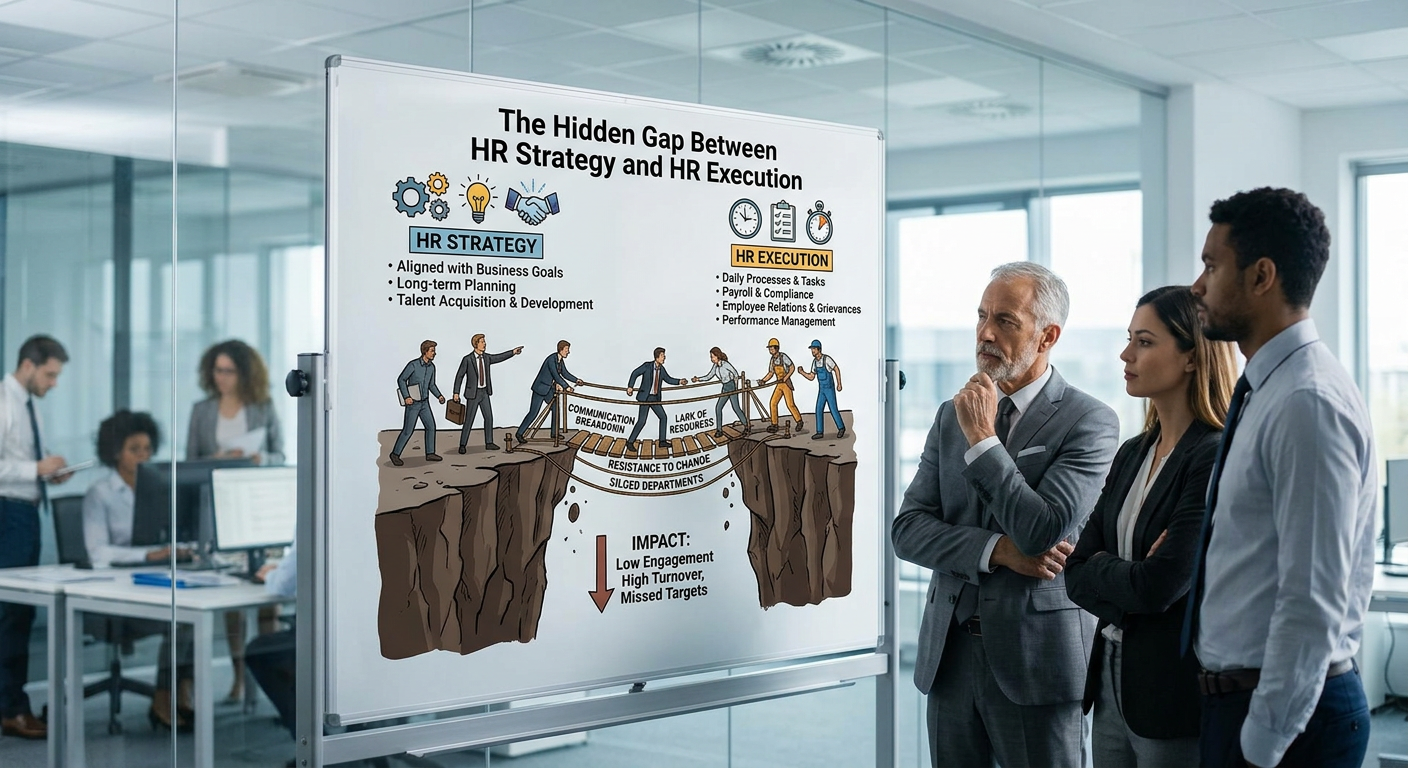
In many organizations, HR is positioned as a support role.
It responds to needs as they arise:
- hiring when a role opens
- addressing employee issues
- managing administrative tasks
This approach can work in smaller environments.
But as the organization grows, it creates challenges.
Why the Support Model Breaks Down
As companies scale:
- more employees require support
- more managers are involved
- more decisions are made
Without structure:
- processes vary
- outcomes are inconsistent
- inefficiencies increase
HR becomes reactive instead of predictable.
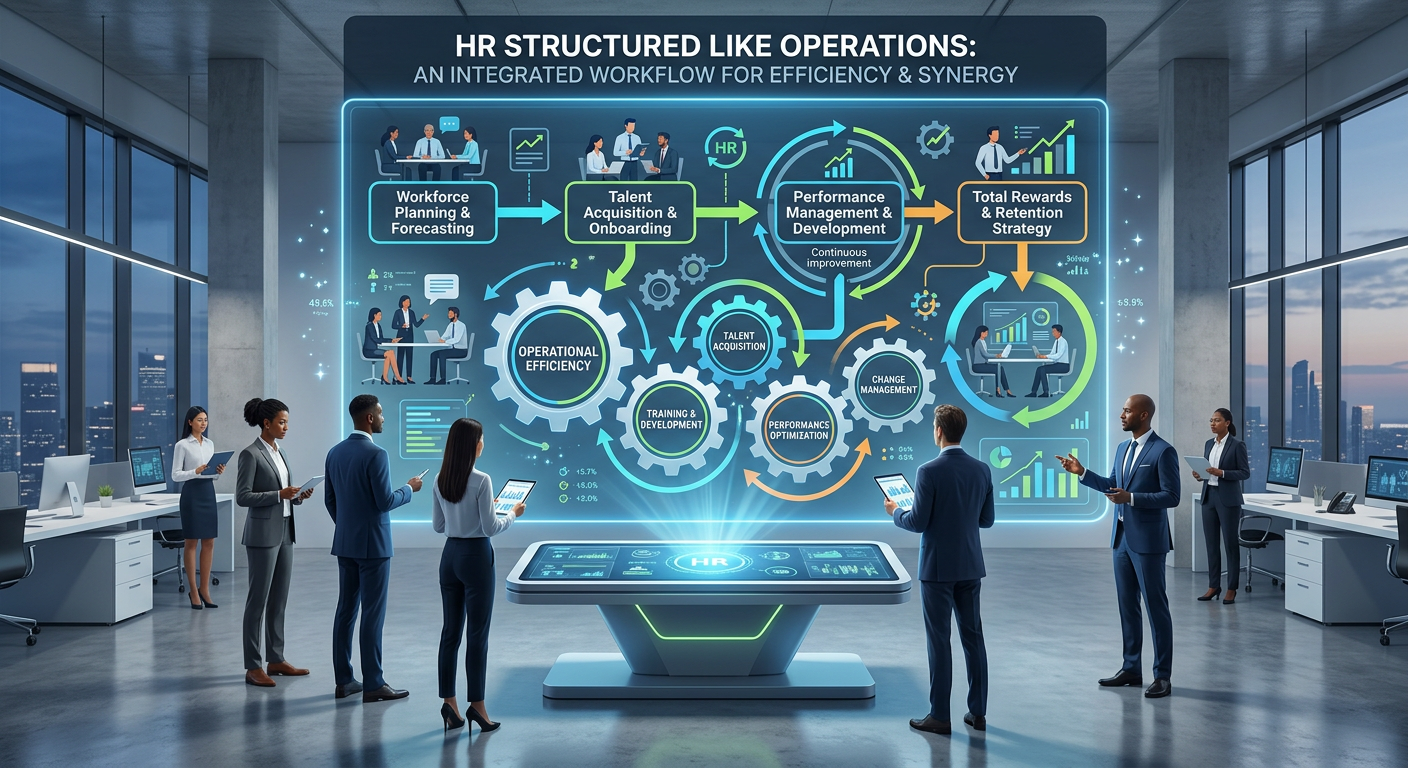
What It Means to Structure HR Like Operations
Operations functions are designed to be:
- consistent
- repeatable
- measurable
When HR is structured the same way, it follows similar principles.
Processes Are Clearly Defined
Operational functions rely on defined workflows.
In HR, this means:
- standardized hiring processes
- structured onboarding
- consistent employee lifecycle management
This reduces variability.
Workflows Are Repeatable
Processes should not depend on individuals.
Instead:
- workflows are followed consistently
- steps are clearly defined
- outcomes are predictable
This improves efficiency.
Data Is Structured and Reliable
Operations rely on accurate data.
In HR, this includes:
- consistent employee records
- reliable reporting
- clear metrics
According to research from Gartner, organizations that align HR data and processes improve decision-making and operational efficiency.
Source
Gartner HR Technology Research - https://www.gartner.com/en/human-resources
Performance Is Measured
Operational functions track performance.
In HR, this can include:
- hiring efficiency
- retention trends
- process effectiveness
Measurement supports improvement.
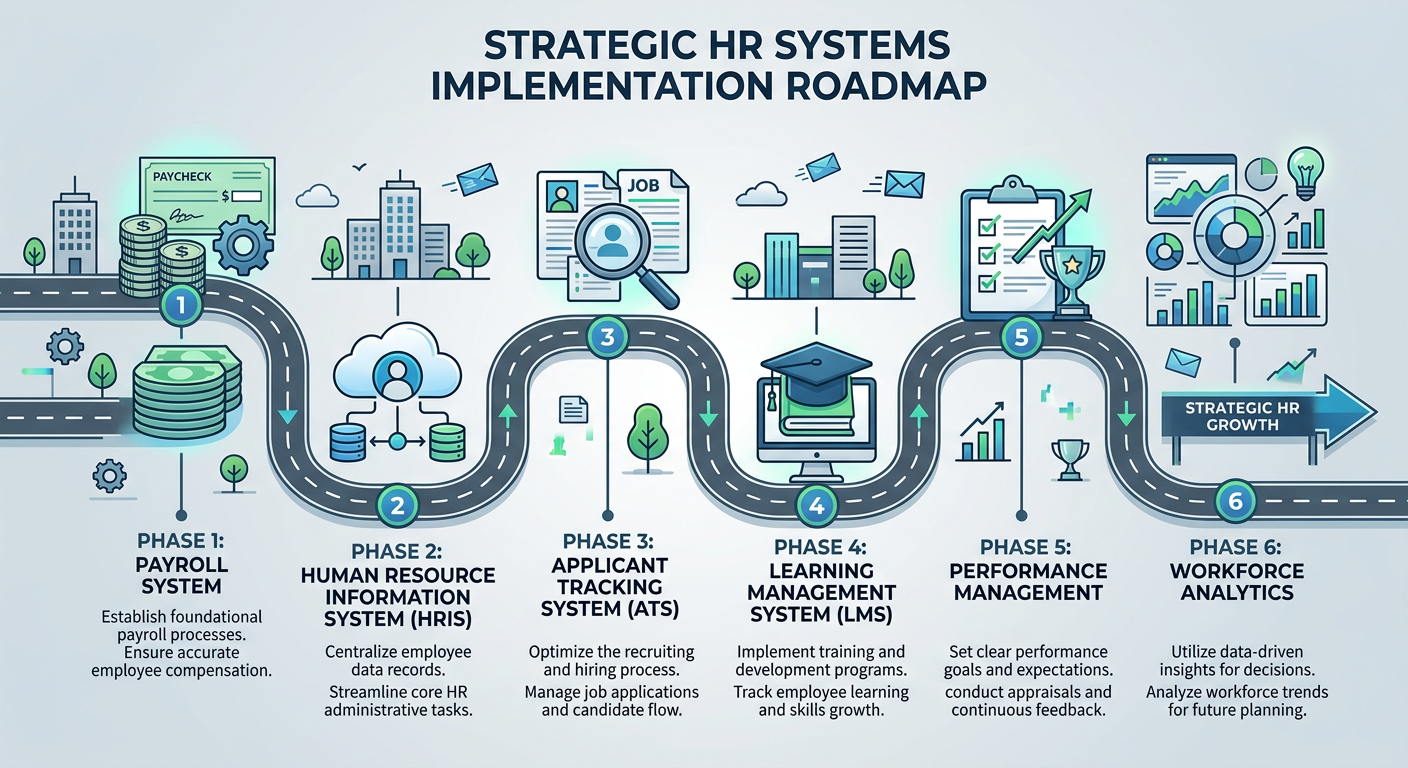
Systems Support Execution
In operations, systems are aligned with workflows.
The same should be true for HR:
- systems reflect real processes
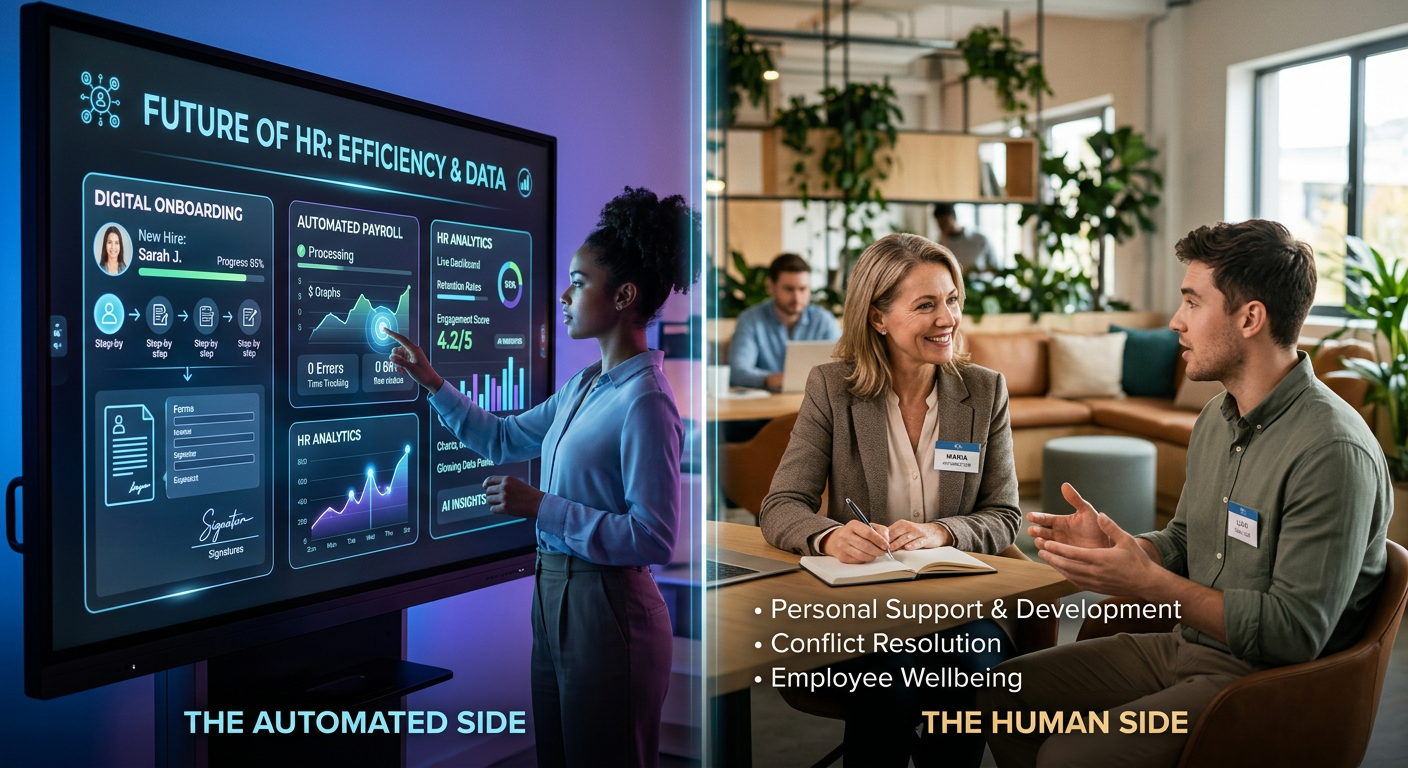
- automation supports execution
- reporting provides visibility
Systems become enablers, not obstacles.
What Happens When HR Stays a Support Function
When HR is not structured like operations:
- processes vary across teams
- decisions depend on individuals
- manual work increases
- data becomes inconsistent
Over time, this creates inefficiency and risk.
What This Looks Like in Practice
The difference becomes clear in day-to-day operations.
Hiring Is Inconsistent
- different managers follow different processes
- candidate experience varies
- decisions take longer
Employee Issues Are Handled Differently
- policies are interpreted differently
- documentation is inconsistent
- outcomes vary
Reporting Is Difficult
- data is spread across systems
- reports do not align
- decision-making slows down
According to research from PwC, organizations that align processes and technology improve workforce management and performance.
Source
PwC Workforce of the Future - https://www.pwc.com/us/en/services/consulting/workforce-of-the-future.html
If This Is Happening in Your Business, HR May Be Too Reactive
These are common indicators that HR is operating as support rather than structured operations:
- processes vary depending on the manager
- manual work exists alongside systems
- data is inconsistent or unreliable
- decisions are reactive
- workflows are not clearly defined
If several of these are present, the issue is not workload.
It is structure.
How to Shift HR Toward an Operational Model
Moving HR from support to operations requires intentional change.
Define and Standardize Processes
Ensure key HR workflows are clearly documented and consistent.
Align Systems With Processes
Configure systems to support how HR operates.
Establish Ownership
Define who is responsible for:
- processes
- systems
- data
Use Data to Drive Decisions
Ensure reporting is reliable and aligned with business needs.
Focus on Consistency
Reduce variability across teams and managers.
How HRLaunch Technology Helps
At HRLaunch Technology, we help organizations move HR from a reactive support function to a structured, operational function.
Many growing businesses reach a point where informal HR approaches no longer work, but operational structure has not yet been established.
Our approach focuses on:
- evaluating current HR operations and identifying gaps
- designing clear, repeatable workflows
- aligning processes across teams and managers
- improving consistency, efficiency, and scalability
We work with small, mid-sized, and growing businesses to build HR functions that operate like the rest of the business.
When systems are involved, we ensure they support these processes through proper configuration, data alignment, and workflow design.
The goal is not just to support the business.
It is to build HR in a way that actively drives it forward.
Final Thoughts
HR should not be an afterthought.
It should not operate only as a support function.
As organizations grow, HR needs structure, consistency, and alignment.
When HR is structured like operations, it becomes more predictable, more efficient, and more valuable to the business.
That is what allows it to scale effectively.