HR Technology Is Evolving Faster Than Ever
HR systems have shifted from basic record-keeping tools to critical infrastructure for managing modern workforces.
Today’s HR platforms are expected to do more than store employee data. They are expected to:
- automate workflows
- provide real-time insights
- support compliance
- improve employee experience
As businesses continue to grow and adapt, HRIS platforms are evolving alongside them.
Understanding these trends helps organizations make better decisions about how to use and invest in HR technology.
HRIS Is Moving From Administrative Tool to Strategic Platform
Historically, HR systems were used primarily for administrative tasks such as payroll and employee record management.
That is no longer the case.
Modern HRIS platforms are increasingly being used to:
- support workforce planning
- analyze employee performance and retention
- inform compensation decisions
- provide leadership with actionable data
According to Gartner, HR leaders are increasingly prioritizing technology that supports strategic decision-making rather than just administrative efficiency.
Source
Gartner HR Technology Research - https://www.gartner.com/en/human-resources
Increased Focus on Automation
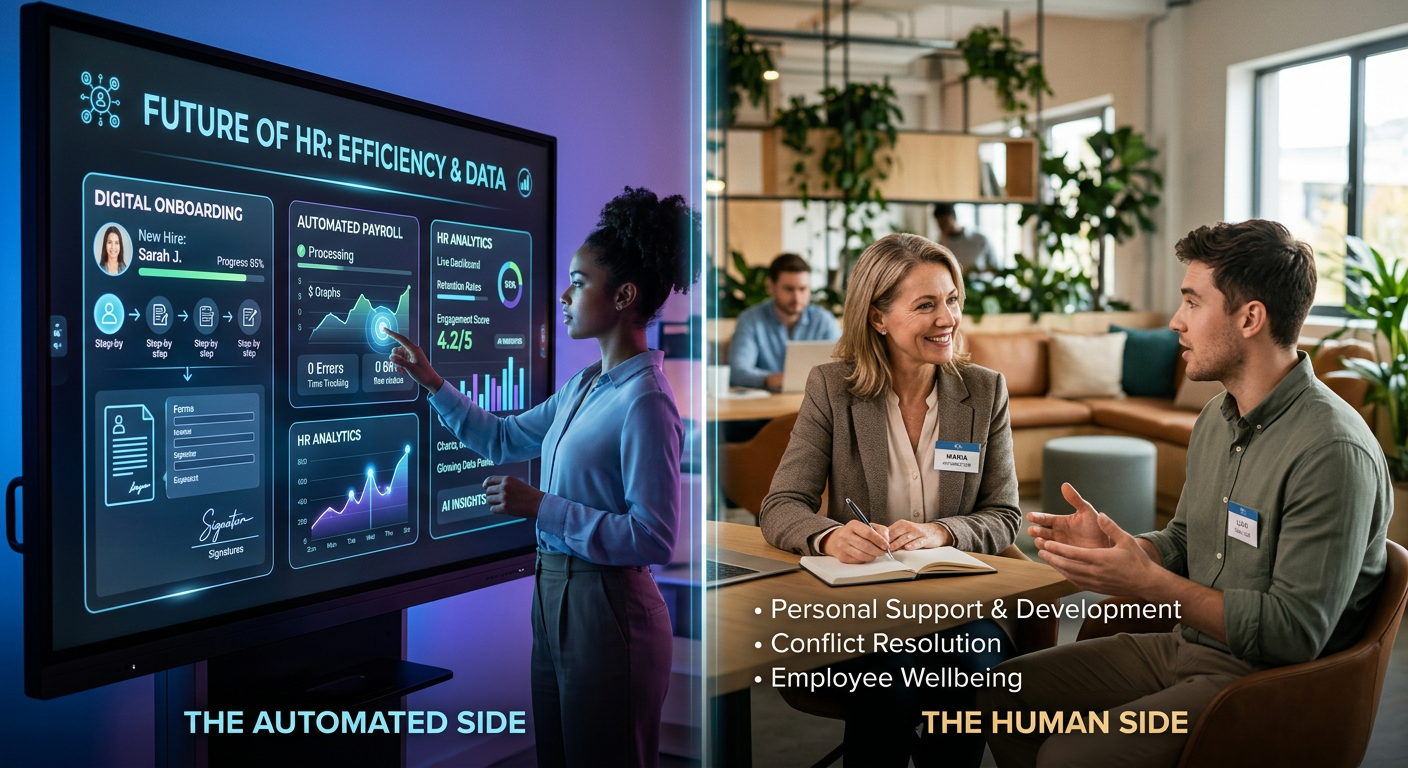
Automation continues to be one of the most significant trends in HR technology.
Organizations are using HR systems to automate:
- onboarding workflows
- employee lifecycle changes
- approval processes
- compliance tracking
Automation reduces manual work and helps standardize processes across the organization.
As companies scale, automation becomes essential for maintaining consistency and efficiency.
AI and Data-Driven Decision Making
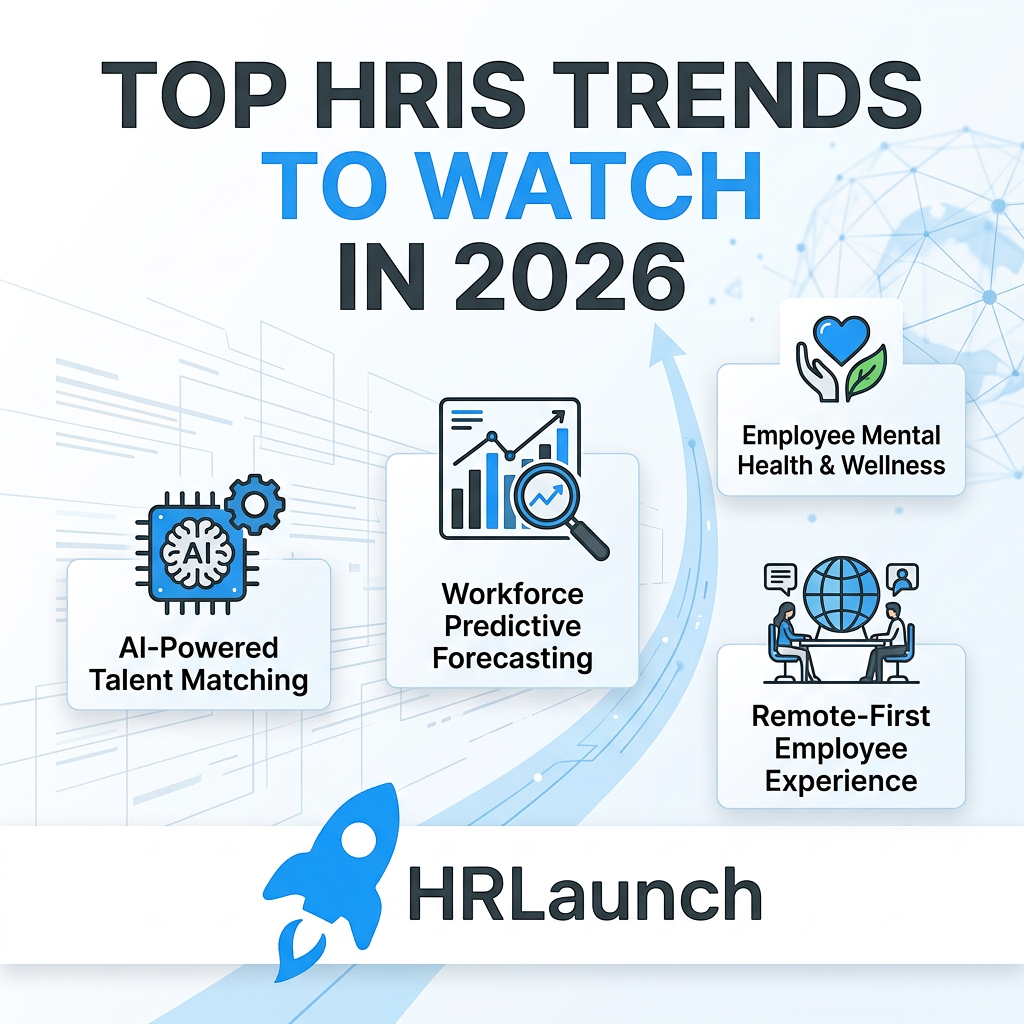
Artificial intelligence is becoming more integrated into HR platforms.
This includes:
- resume screening and candidate matching
- predictive analytics for turnover
- workforce planning insights
- employee sentiment analysis
According to Deloitte Human Capital Trends, organizations are increasingly using data and AI to improve workforce decisions and HR outcomes.
Source
Deloitte Human Capital Trends - https://www2.deloitte.com/us/en/insights/focus/human-capital-trends.html
Employee Self-Service Is Expanding
HR systems are shifting more responsibility to employees and managers through self-service tools.
This includes:
- updating personal information
- managing benefits
- requesting time off
- accessing performance reviews
This trend reduces administrative workload for HR teams while improving the employee experience.
However, it also requires systems to be intuitive and easy to use.
Integration Across Business Systems
HR systems are no longer operating in isolation.
Organizations increasingly expect HR platforms to integrate with:
- accounting systems
- recruiting platforms
- learning management systems
- IT and device management tools
This creates a more connected technology ecosystem and reduces duplicate data entry.
Platforms like Rippling have accelerated this trend by combining HR and IT management.
Greater Emphasis on Compliance and Risk Management
As workforce regulations continue to evolve, HR systems are being used more actively to manage compliance.
This includes:
- tracking required documentation
- managing policy acknowledgments
- ensuring proper employee classification
- maintaining audit-ready records
Companies are relying on HR systems to reduce compliance risk and improve visibility into workforce data.
Focus on Employee Experience
Modern HR systems are placing greater emphasis on employee experience.
This includes:
- engagement surveys
- feedback tools
- performance management systems
- career development tracking
Organizations are recognizing that employee experience directly impacts retention and productivity.
The Rise of Modular HR Systems
Many HR platforms now offer modular structures, allowing companies to add functionality over time.
This includes modules for:
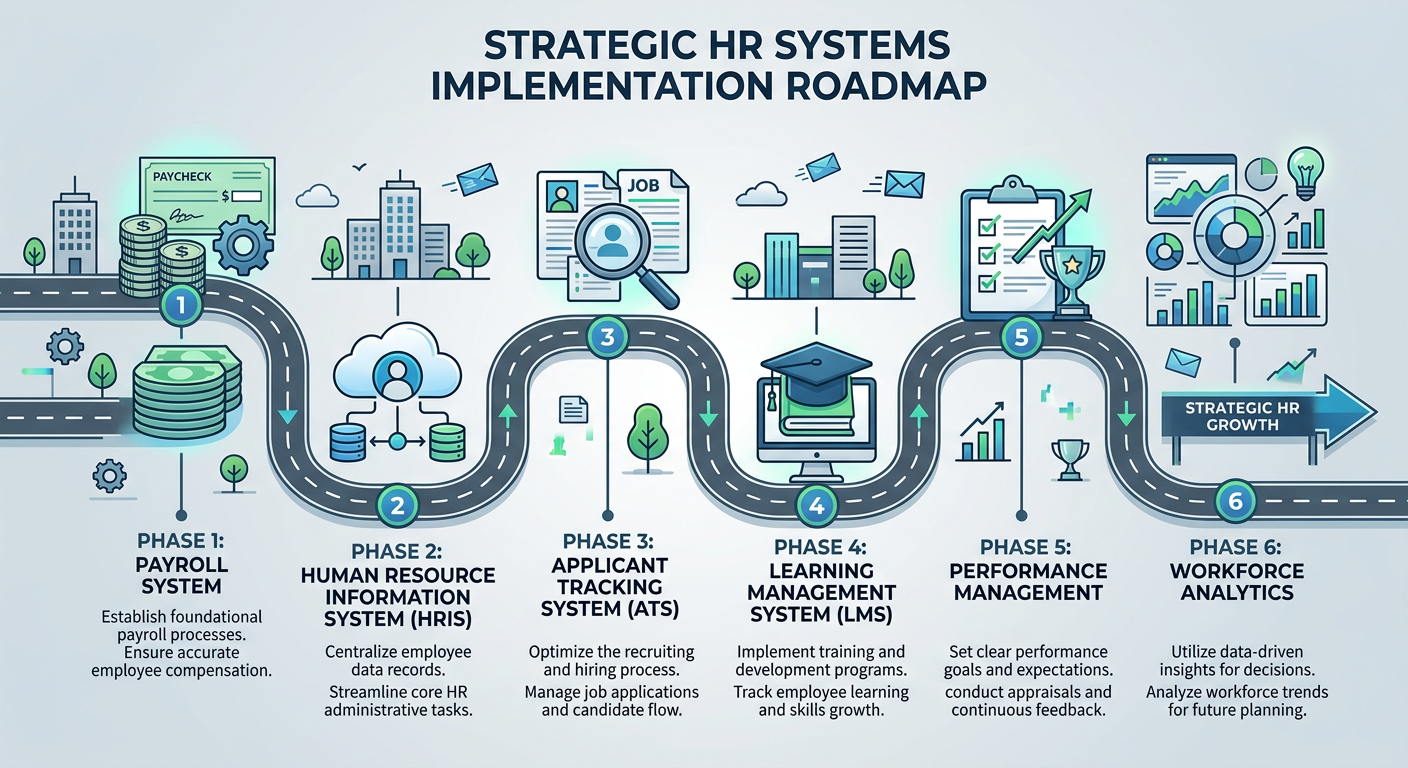
- payroll
- performance management
- recruiting
- analytics
This flexibility allows organizations to scale their HR systems as their needs evolve.
However, it also introduces complexity in pricing and system configuration.
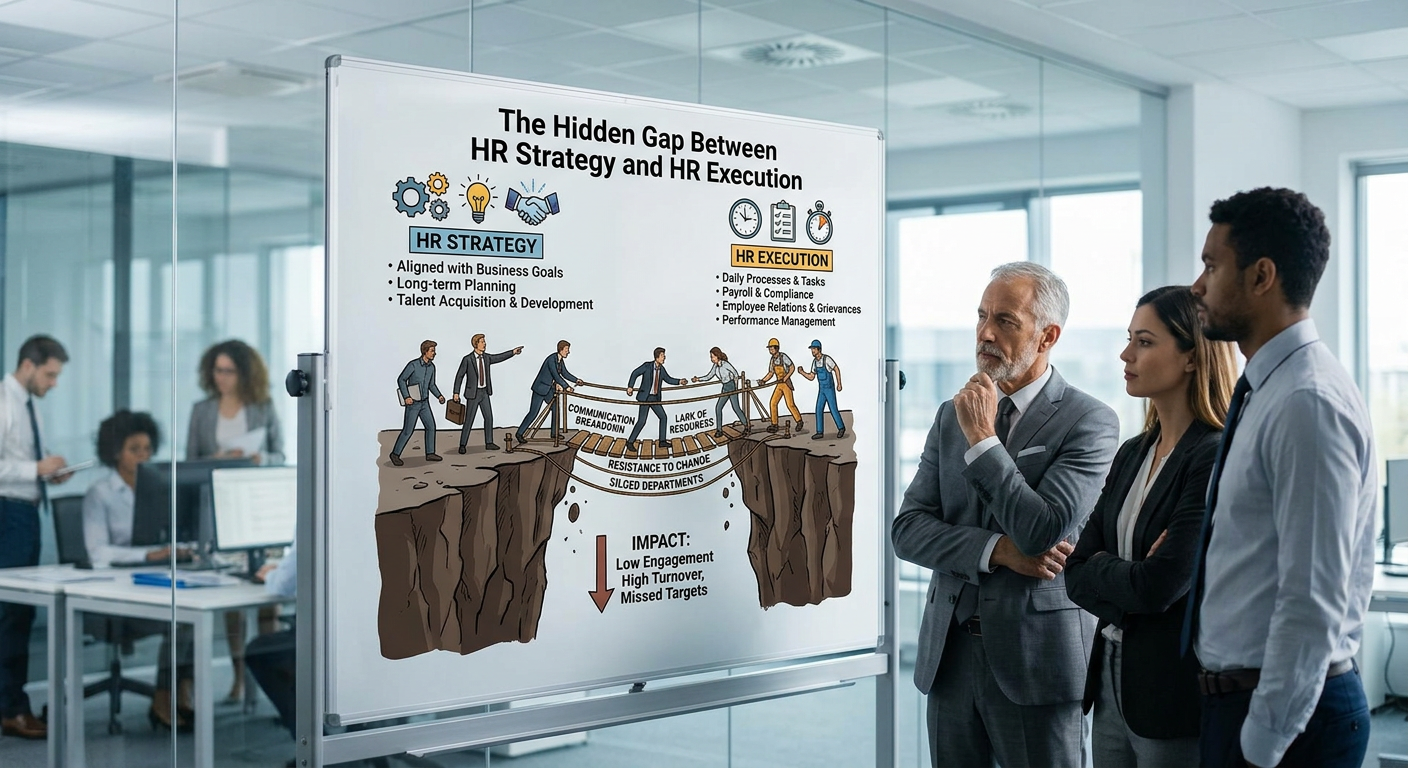
The Ongoing Challenge: Underutilization
Despite advancements in HR technology, one of the most consistent trends remains unchanged:
Many organizations are not fully utilizing their HR systems.
Common issues include:
- incomplete configuration
- unused features
- manual processes outside the system
- lack of system ownership
According to industry research from PwC, organizations often fail to realize the full value of HR technology due to gaps in implementation and adoption.
Source
PwC Workforce of the Future - https://www.pwc.com/us/en/services/consulting/workforce-of-the-future.html
What These Trends Mean for Growing Businesses
For small and mid-size businesses, these trends highlight an important reality:
HR systems are becoming more powerful—but also more complex.
To take full advantage of these capabilities, organizations need:
- clear HR processes
- accurate data
- defined system ownership
- alignment between operations and technology
Without these elements, even the most advanced HR system will struggle to deliver value.
How HRLaunch Technology Helps
At HRLaunch Technology, we help organizations navigate the evolving HR technology landscape.
Our approach focuses on:
- HRIS readiness assessments
- system selection and implementation
- workflow and process alignment
- ongoing HR technology optimization
We ensure that HR systems are not only implemented, but fully utilized to support business operations.
Final Thoughts
HR technology is evolving rapidly, offering new capabilities that can transform how organizations manage their workforce.
But the success of these systems depends on more than just features.
Organizations that align their processes, data, and technology will be best positioned to take advantage of these trends and build scalable HR operations.