Compliance Risk Doesn’t Fail Loudly
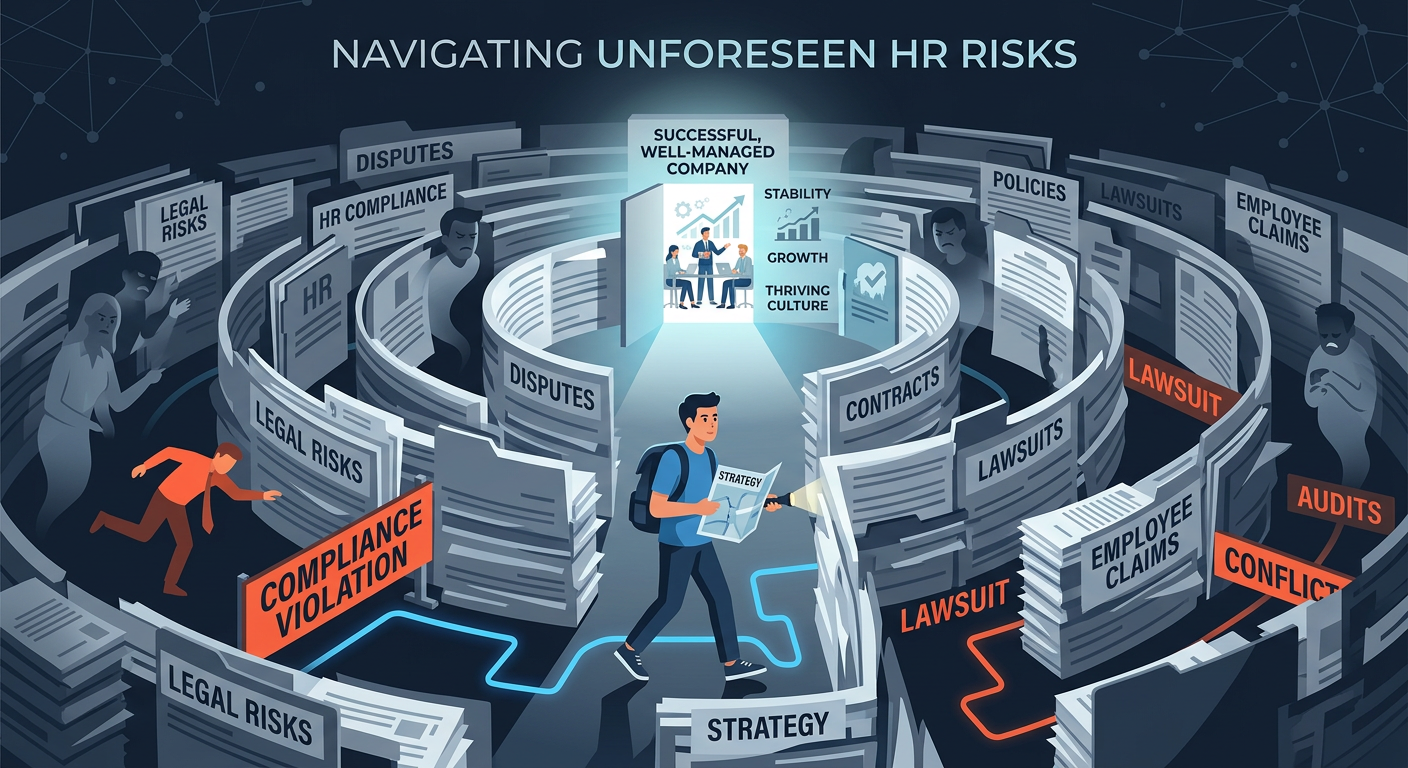
When companies think about compliance risk, they often imagine major events:
Audits.
Fines.
Legal issues.
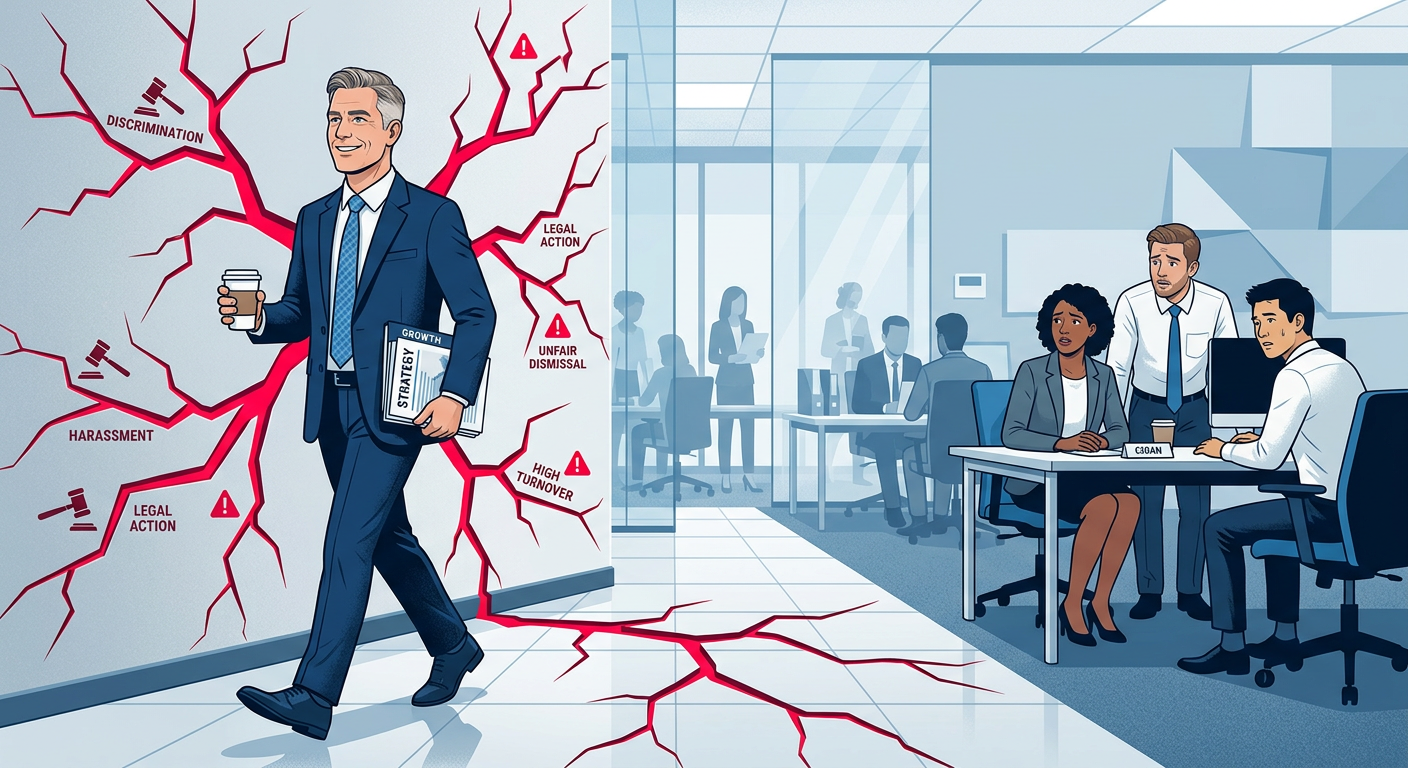
But in reality, compliance rarely fails all at once.
It fails quietly.
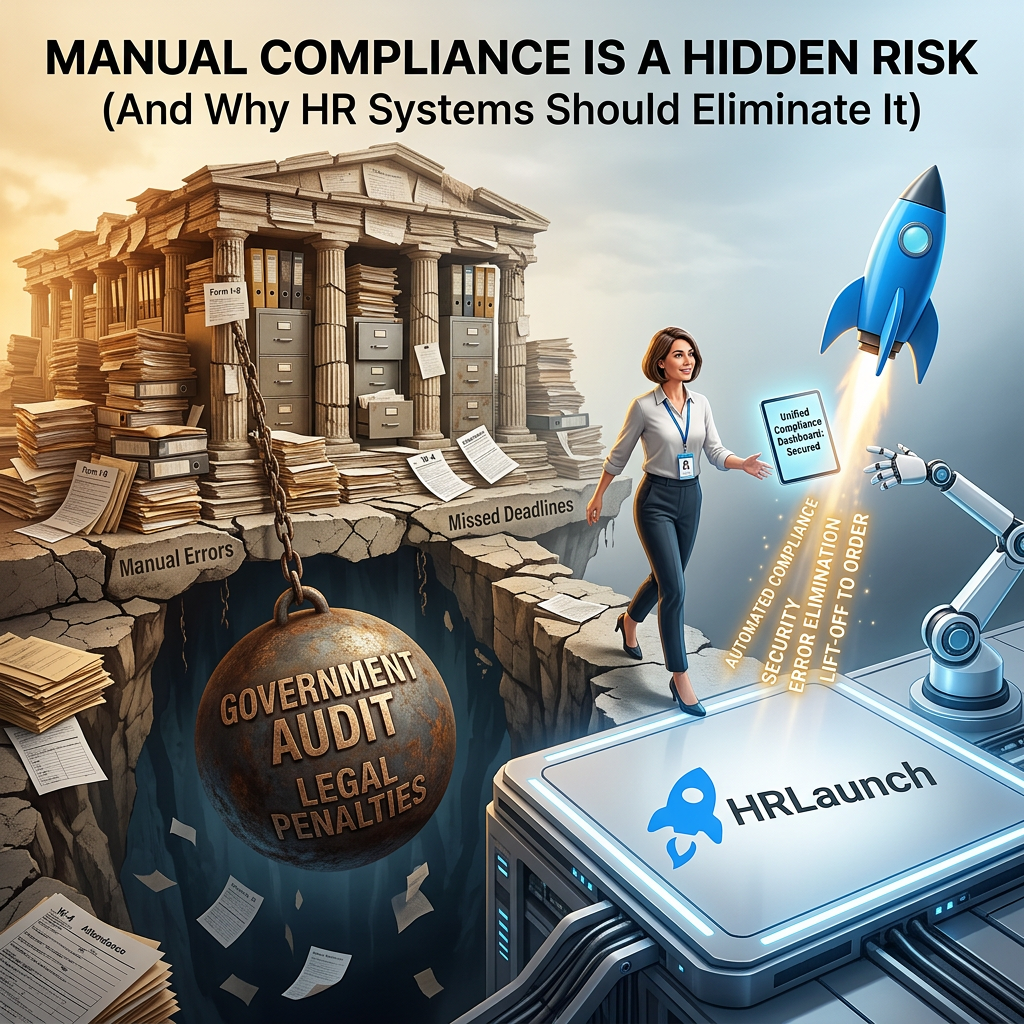
Through missed deadlines.
Expired documents.
Manual reminders that were forgotten.
Over time, these small gaps add up—and that’s where real risk begins.
The Hidden Risk of Manual Compliance
Many growing organizations still manage compliance through manual processes.
This often includes:
- tracking document expiration dates in spreadsheets
- sending reminder emails manually
- storing compliance documents across multiple systems
- relying on individuals to remember deadlines
At first, this may seem manageable.
But as the organization grows, these processes become harder to maintain consistently.
Where Manual Compliance Breaks Down
Manual compliance processes tend to fail in predictable ways.
Expiration Dates Are Missed
Licenses, certifications, and required documents often have expiration timelines.
Without automation:
- deadlines are overlooked
- renewals are delayed
- compliance gaps occur
Responsibility Is Unclear
When compliance tracking is manual, ownership is often distributed across multiple people.
This can lead to:
- duplicated efforts
- missed accountability
- inconsistent follow-up
Reporting Requires Manual Effort
When compliance data is not centralized, reporting becomes reactive.
HR teams often have to:
- search for documents
- compile reports manually
- verify information across systems
This creates inefficiency and increases the likelihood of errors.
Processes Depend on Memory
Manual systems rely heavily on individuals remembering what needs to be done.
This introduces risk because:
- priorities shift
- workloads increase
- tasks are overlooked
Compliance should not depend on memory.
What Structured HR Systems Change
When workforce data is properly structured within an HR system, compliance becomes more proactive.
Instead of chasing information, the system manages it.
Expiration Dates Trigger Alerts
Modern HR systems can automatically track expiration timelines and generate alerts before deadlines occur.
This allows organizations to act early rather than react late.
Managers Receive Automated Notifications
Responsibility becomes clearer when systems notify the right people at the right time.
This ensures:
- accountability is distributed appropriately
- follow-up happens consistently
- fewer tasks fall through the cracks
Reporting Replaces Chasing
With centralized data, HR teams can quickly generate reports that show:
- compliance status across employees
- upcoming expirations
- missing documentation
This reduces administrative work and improves visibility.
The Difference Between Reactive and Operational HR
The core difference comes down to how HR operates.
Reactive HR
- responds to issues after they occur
- relies on manual processes
- spends time chasing information
Operational HR
- anticipates issues before they happen
- uses systems to automate processes
- relies on structured, accurate data
According to research from Gartner, organizations that leverage HR technology effectively are better positioned to manage compliance and reduce operational risk.
Source
Gartner HR Technology Research - https://www.gartner.com/en/human-resources
Why This Matters as Organizations Grow
As companies scale, compliance requirements become more complex.
This includes:
- multi-state labor laws
- employee documentation requirements
- benefits tracking
- certification and licensing management
Without structured systems, the risk of gaps increases.
Small compliance issues can turn into larger problems if they are not addressed early.
How HRLaunch Technology Helps
At HRLaunch Technology, we help organizations move from manual compliance processes to structured, system-driven workflows.
Our approach includes:
- evaluating current compliance tracking processes
- configuring HR systems to support compliance management
- centralizing workforce data
- implementing automated alerts and reporting
The goal is to reduce risk while improving operational efficiency.
Final Thoughts
Compliance risk is rarely caused by a single failure.
It builds over time through small, preventable gaps.
Organizations that rely on manual processes are more likely to experience these gaps.
Those who invest in structured systems and automation can reduce risk and operate more efficiently.
Operational HR reduces friction.
Reactive HR increases it.