Compliance Problems Usually Start Early
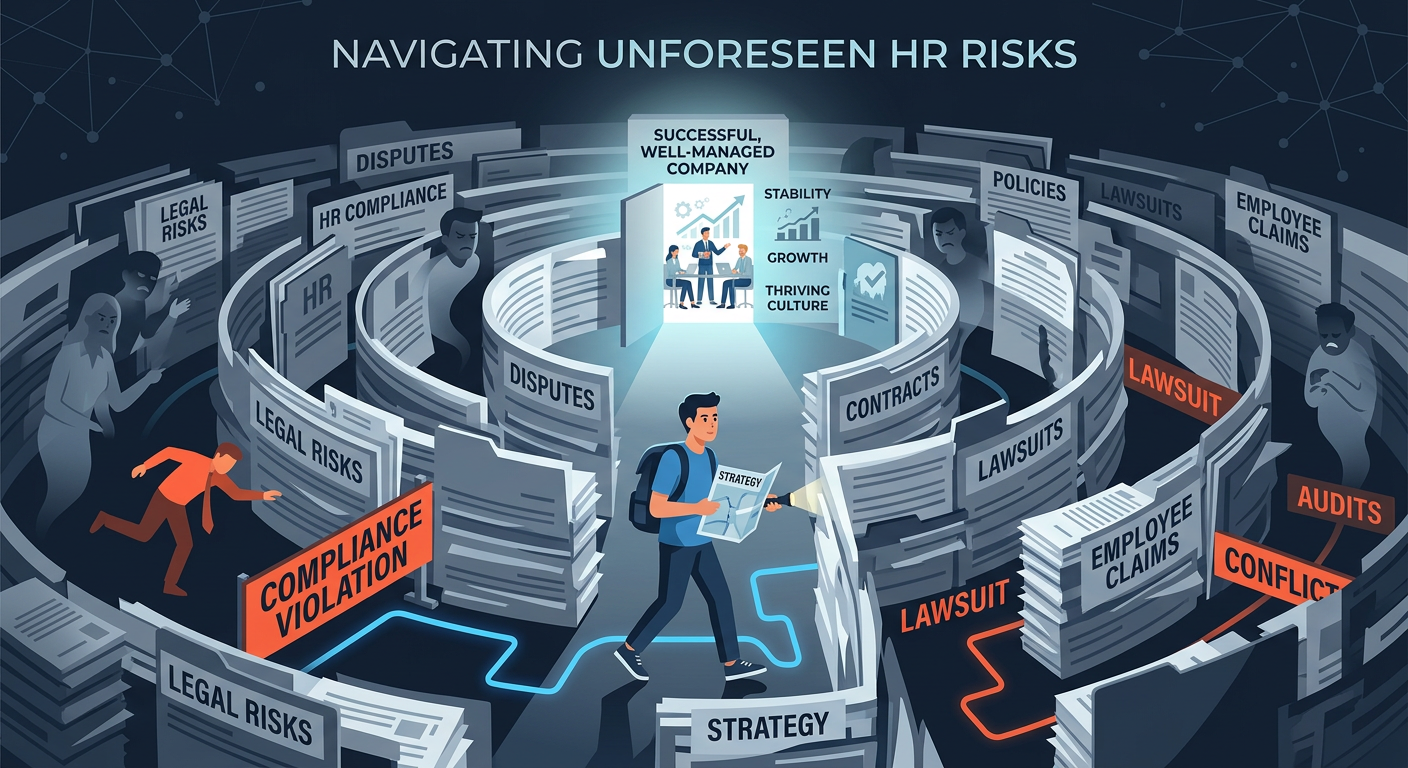
Most compliance issues don’t begin when a company reaches 50 or 100 employees.
They start much earlier.
At 5 employees.
At 10 employees.
At the first hire.
The difference is that early on, the risk is less visible.
As the business grows, those early gaps become harder to manage and more difficult to fix.
Why Early Compliance Setup Matters
Startups and small businesses often delay formal HR processes because:
- the team is small
- processes feel manageable
- priorities are focused on growth
But early decisions shape how HR operates later.
Without structure, companies often find themselves:
- rebuilding processes
- correcting documentation gaps
- addressing compliance issues retroactively
According to the U.S. Department of Labor, employers are responsible for maintaining compliance from the moment they begin hiring employees.
The Core Compliance Foundations to Set Early
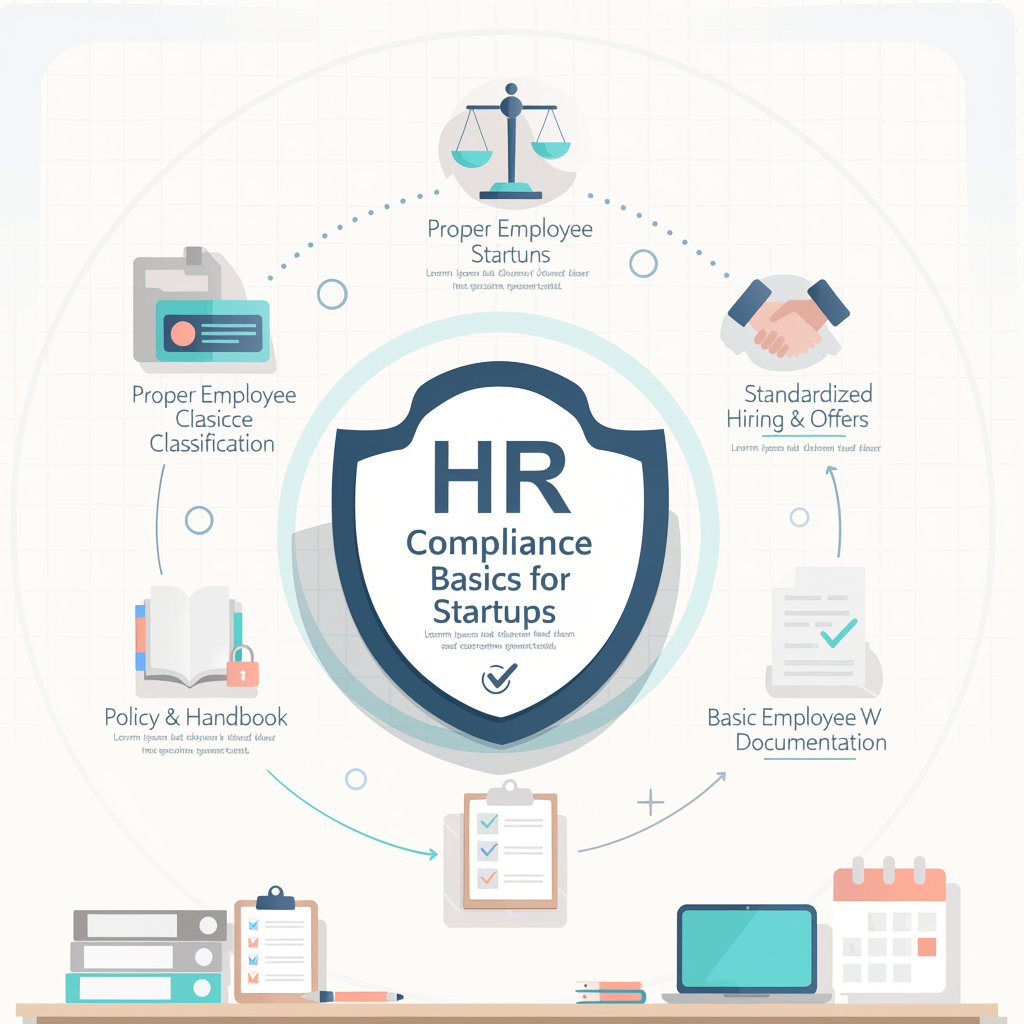
Instead of trying to manage everything at once, startups should focus on building a few key foundations early.
Proper Employee Classification From the Start
One of the earliest compliance risks is misclassifying workers.
This includes:
- employees vs independent contractors
- exempt vs non-exempt employees
Misclassification can lead to:
- wage and hour violations
- back pay liability
- penalties
The U.S. Department of Labor provides guidance on proper classification under the Fair Labor Standards Act (FLSA).
Source
U.S. Department of Labor - https://www.dol.gov/agencies/whd/flsa
Standardized Hiring and Offer Practices
Even at a small scale, hiring should follow a consistent structure.
This includes:
- clear job descriptions
- structured interview processes
- documented hiring decisions
- standardized offer letters
This helps reduce the risk of inconsistent or potentially discriminatory hiring practices.
Basic Employee Documentation
From the first hire, companies should maintain:
- completed I-9 forms
- tax documents (W-4)
- offer letters
- employee contact information
Incomplete or missing documentation can create issues during audits or disputes.
Policy and Handbook Development
Even if simple at first, companies should establish basic policies such as:
- workplace conduct
- time off policies
- anti-harassment policies
- compensation and pay practices
These policies should evolve as the company grows.
According to the Society for Human Resource Management, employee handbooks should reflect both legal requirements and actual business practices.
Source
SHRM - https://www.shrm.org/resourcesandtools
Payroll and Wage Compliance
Ensuring payroll is set up correctly from the beginning is critical.
This includes:
- proper pay classifications
- accurate time tracking (for non-exempt employees)
- compliance with minimum wage laws
- overtime calculations
Payroll errors can quickly become compliance issues if not addressed early.
Basic Compliance Training
Even small teams benefit from early training structure.
This may include:
- anti-harassment training
- workplace safety training
- role-specific training
Some states require training once certain thresholds are met, but establishing it early creates consistency.
According to the U.S. Equal Employment Opportunity Commission, employers are expected to take steps to prevent harassment in the workplace.
Source
EEOC - https://www.eeoc.gov/harassment
Tracking Leave and Time Off
Even before reaching thresholds for laws like FMLA, companies should:
- define PTO policies
- track time off consistently
- document leave requests
This creates a foundation for more complex compliance requirements later.
When Informal Processes Stop Working
As companies grow, informal compliance processes begin to break down.
Signs include:
- difficulty finding employee documents
- inconsistent hiring practices
- payroll questions or errors
- unclear policies
- missed deadlines
At this stage, structure becomes necessary.
A Simple Approach to Staying Ahead
Startups do not need complex systems to stay compliant early.
They do need consistency.
A simple approach includes:
- documenting processes
- centralizing employee data
- assigning ownership
- reviewing policies regularly
These steps help prevent small issues from becoming larger problems.
How HRLaunch Technology Helps
At HRLaunch Technology, we help startups and small businesses build HR processes that support compliance as they grow.
Our services include:
- HRIS readiness assessments
- compliance workflow design
- HR system selection and implementation
- ongoing HR technology advisory
We focus on helping organizations build structure early so they can scale effectively.
Final Thoughts
Compliance is not something that starts later.
It starts with the first employee.
Small businesses that take the time to build simple, structured processes early are better positioned to avoid risk and support long-term growth.
The goal is not to overcomplicate compliance.
It is to make it part of how your business operates from the beginning.