Why HRIS Implementations Fail for Small Businesses
For many growing companies, implementing a Human Resources Information System (HRIS) feels like the logical next step. Payroll, onboarding, benefits, and employee data should all live in one place.
But many small businesses discover something frustrating after signing the contract and starting implementation:
The system doesn’t work the way they expected.
Workflows break. Data is inconsistent. HR teams revert to spreadsheets.
The problem usually isn’t the software. It’s the preparation that happens before the implementation begins.
The Hidden Gap Between Buying Software and Using It Well
Most HRIS platforms are powerful systems designed to support structured HR processes. However, many small businesses with between 20 and 250 employees operate with informal processes that have evolved over time.
Before implementation, companies often have:
- Payroll handled one way
- Hiring handled another way
- Benefits managed through email or spreadsheets
- Policies that exist but are not consistently applied
When an HRIS is introduced, the system forces structure. If the processes are not clearly defined beforehand, the system becomes difficult to configure correctly.
Common Problems During HRIS Implementations
When organizations skip a readiness assessment or structured planning phase, several issues tend to appear.
1. Poor System Configuration
Many systems are implemented quickly using default settings. This leads to:
- Incorrect approval workflows
- Misaligned employee data fields
- Payroll setup that does not match actual compensation practices
Once employees begin using the system, fixing these issues becomes more difficult.
2. Fragmented HR Processes
An HRIS works best when processes are standardized.
Without this alignment, companies experience problems such as:
- Managers bypassing the system for approvals
- Inconsistent onboarding processes
- Multiple versions of employee data
Instead of simplifying operations, the system adds confusion.
3. Underutilized System Features
Most HRIS platforms offer far more capability than companies initially use.
Without guidance, businesses often only use the system for:
- Payroll processing
- Basic employee records
- Time off tracking
Features like onboarding automation, compliance tracking, reporting, and workflow management often remain unused.
What Successful HRIS Implementations Do Differently
Organizations that achieve successful HRIS implementations typically begin with preparation rather than software.
This includes:
Conducting an HRIS Readiness Assessment
A readiness assessment reviews:
- Current HR processes
- Existing data structures
- Compliance requirements
- HR team capacity
- Organizational growth plans
This step identifies what needs to be standardized before implementation begins.
Mapping HR Processes Before Configuration
Instead of configuring the system immediately, successful companies define how processes should work.
Examples include:
- Hiring and onboarding workflows
- Employee lifecycle management
- Manager approval processes
- Payroll and benefits coordination
Once these workflows are mapped, the system can be configured correctly the first time.
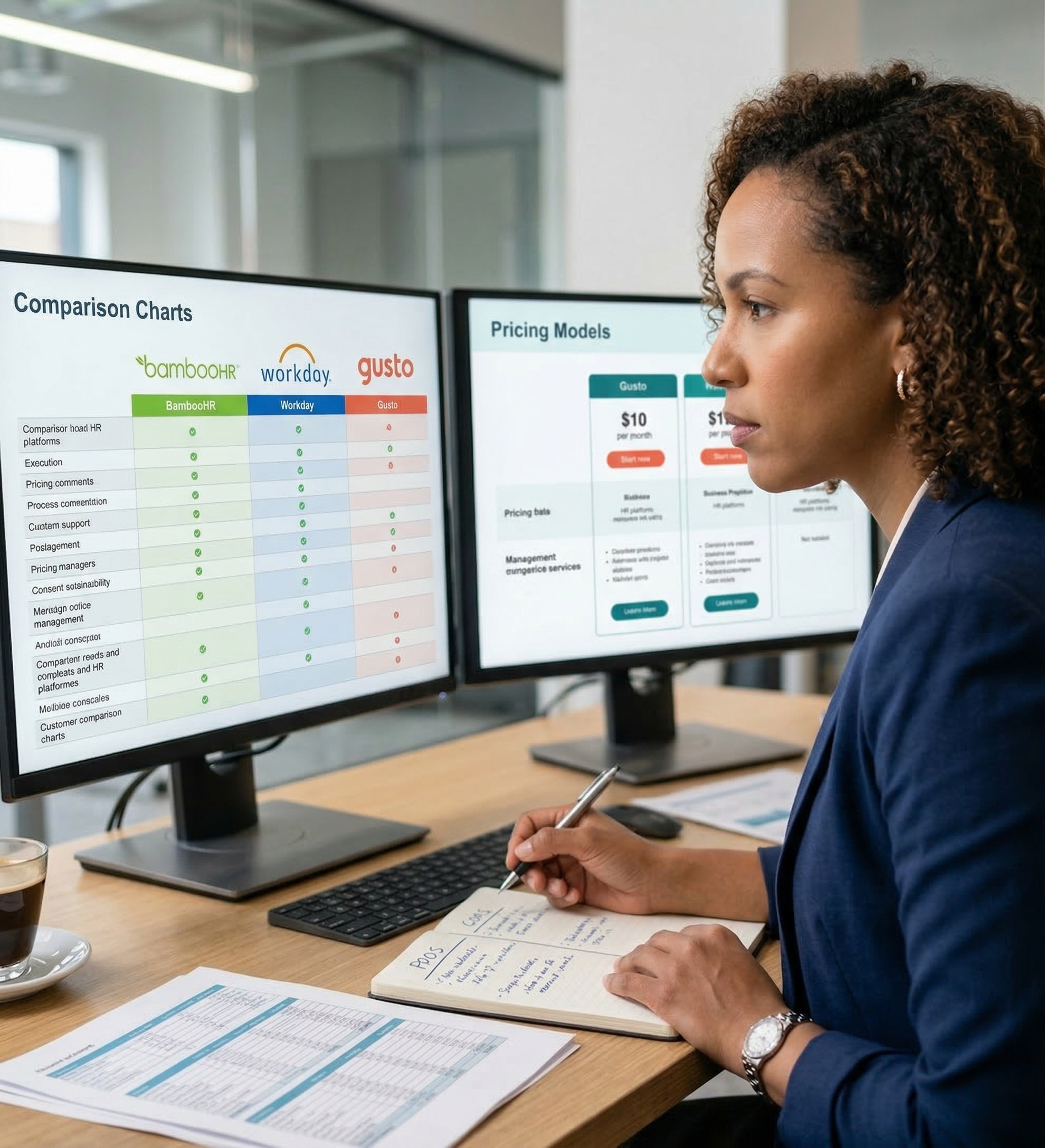
Selecting the Right HRIS Platform
Not every HRIS platform fits every organization.
The right system depends on factors such as:
- Company size
- Workforce structure
- Multi-state compliance needs
- Payroll complexity
- Future growth
Choosing the wrong system often creates more work instead of solving problems.
The Goal of HR Technology Should Be Operational Clarity
HR systems should make work easier, not harder.
When implemented correctly, an HRIS should:
- Reduce manual HR work
- Improve compliance tracking
- Provide better visibility into workforce data
- Support managers with clear processes
But these outcomes depend heavily on preparation, not just software selection.
How HRLaunch Technology Helps
At HRLaunch Technology, we help small and growing companies successfully adopt HR technology by focusing on the preparation that most implementations skip.
Our services include:
- HRIS readiness assessments
- Vendor-neutral HRIS selection
- HRIS implementation support
- HR process alignment
- Ongoing HR technology advisory
Our goal is simple: help organizations implement HR systems that actually improve how their business operates.
Final Thoughts
Buying an HRIS is easy. Implementing one successfully requires planning.
Companies that invest time in assessing their processes, aligning workflows, and selecting the right system are far more likely to see the efficiency gains HR technology promises.
Without that preparation, even the best software will struggle to deliver results.